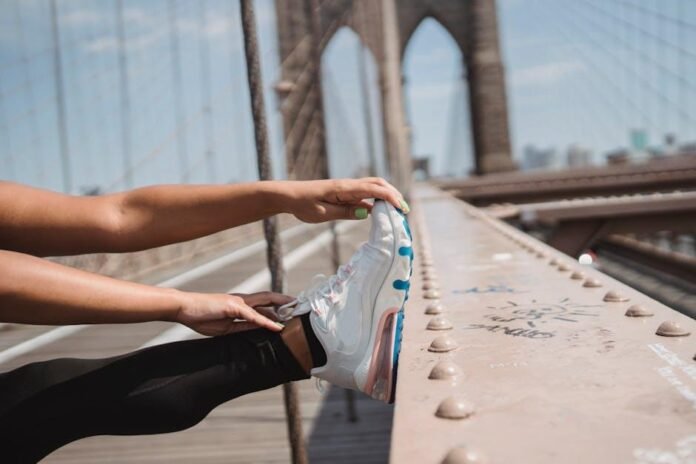
Breaking in a new pair of running shoes can feel like a rite of passage for any runner, a delicate dance between excitement and caution. There’s that exhilarating moment when you lace up a fresh pair, the promise of comfort and performance tantalizingly close. Yet, as many seasoned athletes know, the journey to blister-free feet and effortless strides may not always be smooth. Blisters, soreness, and discomfort can turn a jubilant outing into a painful ordeal. In this article, we unravel the secrets to transforming brand-new sneakers into reliable companions, ensuring that each step you take is not just about reaching the finish line, but doing so with joy and freedom. Whether you’re a seasoned marathoner or a casual weekend jogger, understanding the nuances of breaking in your footwear can elevate your running experience from the ground up. Join us as we explore practical tips and expert advice to help you break in your new running shoes without the accompanying pain.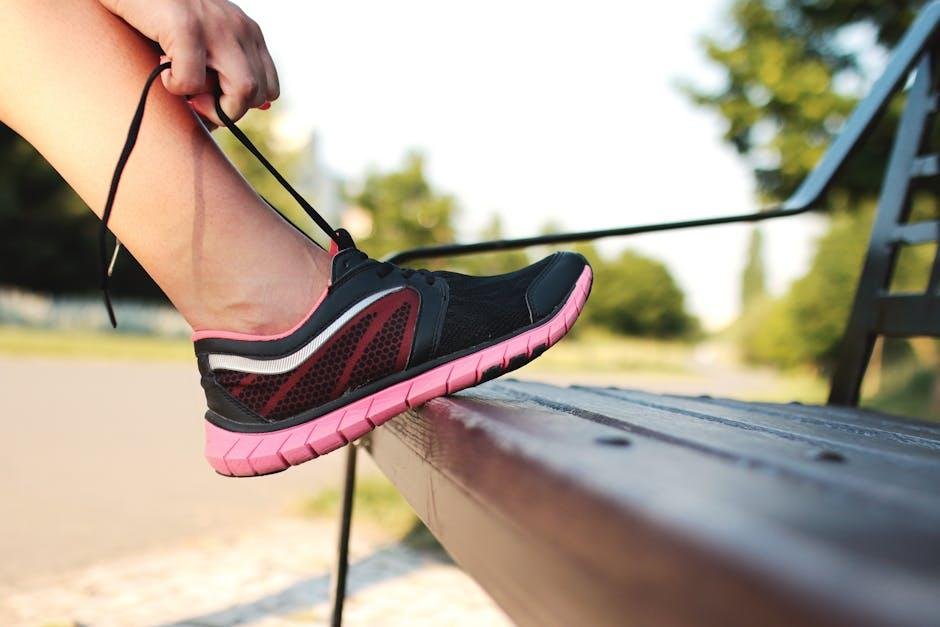
Understanding the importance of Proper Fit for New Running Shoes
Finding the right fit for your new running shoes is crucial to ensuring a comfortable and injury-free running experience. A proper fit not only provides support but also allows your feet to move naturally. Key factors to consider include:
- Length: Your toes should have a slight amount of space (about a thumb’s width) in front of the shoe.
- Width: Ensure that the shoe accommodates your foot without pinching or feeling too loose.
- Arch Support: Match the shoe’s arch structure with your foot’s arch type for optimal support.
Neglecting these aspects can lead to blisters, calluses, or even more severe injuries like tendonitis or plantar fasciitis. To quickly assess if your shoes fit well, perform a few simple tests:
| Test | How to Perform | What to Look For |
|---|---|---|
| Toe Test | Stand up and wiggle your toes. | They should have room to move without hitting the front. |
| Heel Test | walk in the shoes to check for heel slip. | There should be minimal movement; they should stay secure. |
| Arch Test | Press down on the arch area. | It should feel comfortable and supported, not overly compressed. |

Gradual Introduction: building mileage Wisely
When it comes to breaking in new running shoes, a gradual approach is key to avoiding discomfort and potential injury.Start by wearing your new shoes around the house or during casual outings to allow your feet to become accustomed to their fit and feel. After a few days of leisure wear, ease into your running routine by limiting your initial mileage. A good rule of thumb is to run no more than 10-20% of your usual distance in the new shoes during the first week.
As you progress, increase your mileage slowly, focusing on listening to your body. pay attention to any signs of discomfort or soreness, as these may indicate that your shoes need more time to mold to your feet. Consider creating a simple plan to track your mileage and shoe rotation to ensure balanced wear. Here’s a straightforward example:
| Week | Distance (miles) | Notes |
|---|---|---|
| 1 | 5-10 | Casual wear and light runs |
| 2 | 10-15 | Increase pace gradually |
| 3 | 15-20 | Full integration into running routine |

Techniques for Sock Selection and Lacing Adjustments
Choosing the right socks is crucial for a comfortable running experience. Look for materials that wick moisture away from the skin, reducing the risk of blisters and keeping your feet dry. Consider the following factors when selecting your socks:
- Fit: Ensure they fit snugly without being too tight.
- Height: Choose between no-show, ankle, or crew length based on your shoe and personal preference.
- Padding: Opt for varying thicknesses of padding, depending on your shoe’s cushioning and your running style.
Once you have the right socks, the next step is adjusting the lacing of your new shoes. proper lacing can improve the fit and prevent pressure points. Experiment with different lacing methods such as:
- Heel Lock Lacing: This technique locks the heel in place, preventing slippage.
- Skip Lacing: Skipping a set of eyelets can alleviate pressure on the top of the foot.
- Diagonal Lacing: This method can better conform the shoe to the shape of your foot.
Consider the table below to visualize how different lacing techniques can impact your foot comfort:
| Technique | Benefits |
|---|---|
| Heel Lock Lacing | Reduces heel slippage and increases stability. |
| Skip Lacing | Relieves pressure on the instep for a more comfortable fit. |
| Diagonal Lacing | Enhances shoe adaptability to foot shape and minimizes discomfort. |
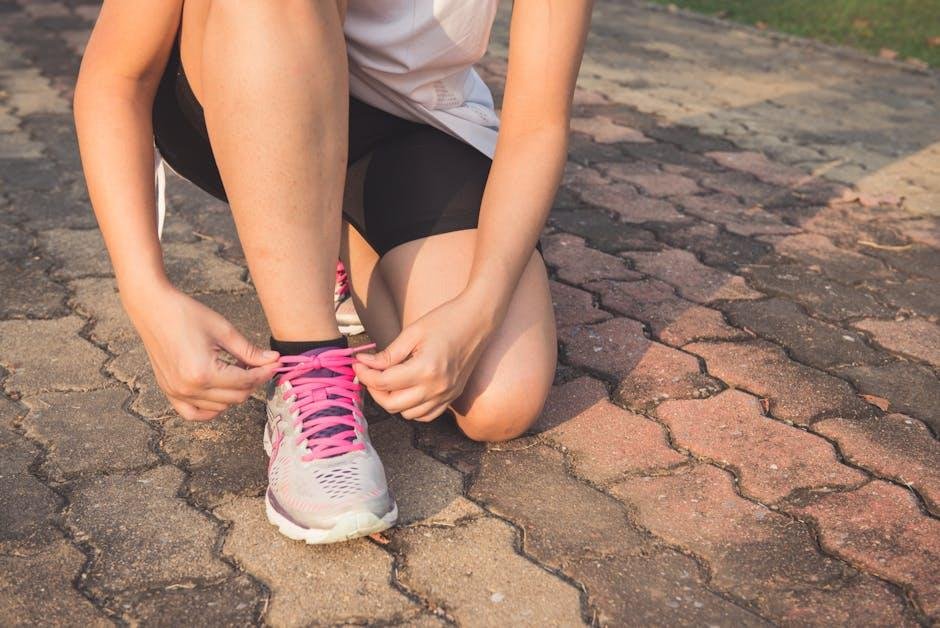
Post-Run Care: Soothing Your Feet After Breaking In
After pushing your limits and breaking in those new running shoes, its essential to prioritize the well-being of your feet. Whether it was a long run or just a brisk jog, treating your feet to some tender loving care can facilitate recovery and enhance comfort.Gently rinsing your feet with lukewarm water can relieve tension, followed by a soft towel pat-dry. Consider a foot soak with Epsom salt for relaxation—just 15-20 minutes can work wonders. Finish off with a light foot massage using peppermint or eucalyptus oil to invigorate sore muscles and reduce swelling.
To further soothe your feet and promote proper recovery, try implementing the following techniques:
- Foam Rolling: use a foam roller on your calves and arches to alleviate tightness.
- Cold Compress: Apply a cold pack on any specific areas of discomfort to minimize inflammation.
- Comfortable Footwear: Slip into cushioned slippers or sandals that allow your feet to breathe post-run.
- Stretching Routine: Engage in simple stretches to maintain adaptability and prevent stiffness.
Furthermore, keep tabs on your feet by regularly inspecting for blisters or irritations. If you notice anything concerning, a simple first-aid approach can prevent further issues. Consult the table below for rapid remedies:
| Issue | Quick Remedy |
|---|---|
| Blisters | Cover with a sterile bandage or blister pad |
| Soreness | Ice the affected area for 15 minutes |
| Aching muscles | Soak in warm water with Epsom salts |
| Swelling | Elevate your feet and relax |
In Summary
As you lace up your new running shoes, remember that the journey to comfort doesn’t have to be a painful one. With a little patience and the strategies we’ve discussed, you can pave the way for enjoyable runs ahead. Just like any grate training plan, breaking in your shoes takes time and dedication. So, take it slow, listen to your body, and embrace the process.
Soon, those fresh kicks will feel like a second skin, ready to accompany you on all your adventures, whether it’s a leisurely stroll in the park or a marathon weekend. Happy running, and may every step forward bring you closer to your personal best!