in the ever-evolving world of sneaker culture, where rarity meets resale and style intertwines wiht status, two titans have emerged to dominate the marketplace: StockX and GOAT.Both platforms promise access to coveted kicks and streetwear, sparking a debate among sneaker enthusiasts over which marketplace reigns supreme. While StockX touts its auction-style bidding system and comprehensive market analytics, GOAT stands tall with its extensive inventory and user-friendly interface. As the lines between fashion and investment blur, choosing the right platform can feel like lacing up a pair of limited-edition sneakers—every detail matters. In this article, we dive deep into the intricacies of StockX and GOAT, exploring their unique features, user experiences, and everything in between, to help you determine which sneaker marketplace is truly the best fit for your sole.
Understanding the User Experience on StockX and GOAT
The user experience on sneaker marketplaces can significantly impact buyer and seller engagement. StockX and GOAT provide unique platforms, each catering to various needs and preferences. Users of StockX often highlight its obvious pricing model,where buyers can see live market data for sneakers,allowing them to make informed decisions. On the other hand,GOAT tends to focus on the community aspect,showcasing a more user-friendly interface that allows for easy browsing and interaction. Both platforms offer mobile apps, but the smoothness of navigation can vary, influencing overall satisfaction. Hear are some key features that differentiate their experiences:
- StockX: Live market data, straightforward bidding process, detailed product insights.
- GOAT: User-friendly design,interactive community feedback,diverse product categories.
Although both marketplaces excel in certain areas, they are often evaluated based on their trustworthiness and customer support. StockX emphasizes authentication protocols, ensuring that every sneaker sold is genuine, which can instill confidence in buyers. Conversely,GOAT allows users to set their own price for their listings and offers the option to buy sneakers in both new and used conditions,which appeals to those looking for budget-friendly options. Below is a comparative overview of user support offered by both platforms:
| Feature | StockX | GOAT |
|---|---|---|
| Customer Support | Email & Live Chat | Email & Phone Support |
| Return Policy | Strict, limited timeframe | Flexible, depending on condition |
| Authentication | Standardized process | Expert verification |

Comparing Authenticity Measures and Buyer Protection
When it comes to buying sneakers online, the credibility of a marketplace can hinge on two critical factors: authenticity measures and buyer protection. Both StockX and GOAT employ robust verification processes to ensure that every pair sold is genuine. StockX prides itself on its meticulous authentication team, which rigorously inspects each sneaker for flaws, looking at aspects such as stitching, material quality, and overall craftsmanship. In contrast, GOAT takes a more decentralized approach by allowing sellers to list sneakers directly, only enforcing an authentication process once a sale is made. This results in a broader selection but can potentially lead to transaction delays as the sneaker undergoes inspection.
In terms of buyer protection, both platforms offer unique assurances. StockX has a straightforward refund policy if a product is deemed unauthorized or inaccurately represented, providing buyers with peace of mind in their purchases. Buyer protection at GOAT also includes a return period, allowing customers to return items they find unsatisfactory or those that do not match their expectations. Below is a comparison of key features regarding authenticity and buyer protection for both marketplaces:
| Feature | StockX | GOAT |
|---|---|---|
| Authentication Method | Rigorous inspection before delivery | Inspection after the sale |
| Refund Policy | Full refund if item is not as promised | Returns accepted within a set period |
| Customer Support | 24/7 support available | Responsive customer service |

Evaluating Pricing Strategies and Marketplace Fees
When choosing between StockX and GOAT, an essential factor to consider is how each platform approaches pricing strategies and marketplace fees.StockX adopts a transparent pricing model where the bid-ask system plays a crucial role. Buyers can place bids while sellers list their items at set prices, generating a dynamic marketplace environment. This system encourages competitive pricing, allowing users to get the best deals. Though, it’s critically important to be aware of the fees: stockx typically charges a seller fee that ranges from 9% to 15%, depending on the item’s sale price. These fees can affect overall profit margins for sellers,making careful pricing strategies vital.
In contrast, GOAT operates on a more straightforward structure, offering set prices for listed items with fixed seller and buyer fees. Sellers on GOAT face fees that generally hover around 10%, which is straightforward compared to StockX’s variable rates. Moreover, GOAT allows sellers to set prices based on their own cost, potentially leading to higher earnings in comparison to StockX’s secondary pricing dynamic. The clarity in GOAT’s fee structure can be appealing to new sellers who seek predictability in their earnings. To compare these fees and their implications, the table below outlines key aspects of each platform’s pricing approach:
| marketplace | pricing Model | Seller Fees |
|---|---|---|
| stockx | Bid-Ask System | 9% – 15% |
| GOAT | Fixed Price Listings | 10% |
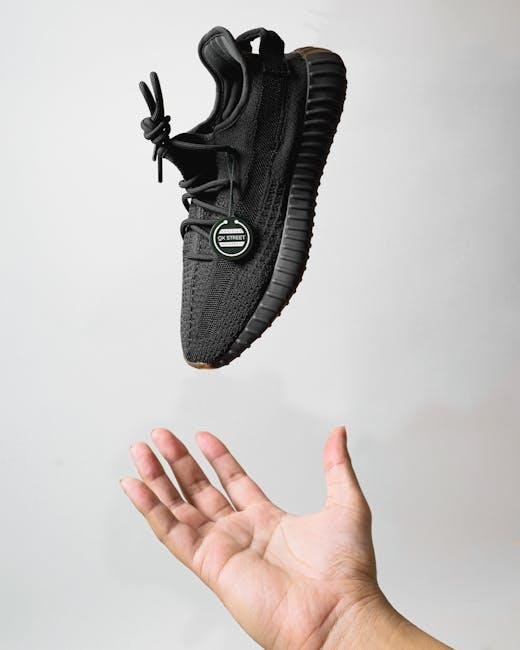
Exploring Inventory Variety and Sneaker Releases
When it comes to sneaker marketplaces, the variety of inventory can make or break the shopping experience. Both stockx and GOAT have carved out their niches in this competitive landscape, offering sneaker lovers a broad spectrum of choices. StockX tends to excel in its transparent pricing model, which reflects current market trends based on recent sales. This provides a more informed buying experience, empowering consumers to snag not only the latest releases but also sought-after retro styles. Meanwhile, GOAT shines with its comprehensive authentication process, ensuring that while buyers may be paying premium prices, they are also receiving genuine products.The platform’s diverse range includes everything from limited editions to everyday wear, appealing to a wide audience of sneaker enthusiasts.
Key Features of Each Marketplace:
- StockX: Known for its live market data and stock market-like experience.
- GOAT: Offers a unique pre-owned sneaker section, catering to those seeking budget-friendly options.
- StockX: Quick turnarounds for new sneaker releases, often listing them on release day.
- GOAT: User-friendly app interface with personalized sneaker recommendations.
Here’s a quick comparison of the latest sneaker releases on both platforms:
| Marketplace | Latest Release | Availability |
|---|---|---|
| StockX | Nike Air Force 1 ’07 | In Stock |
| GOAT | Adidas Yeezy Boost 350 | Limited Stock |
Final Thoughts
In the ever-evolving world of sneaker culture, the choice between StockX and GOAT ultimately boils down to personal preference and specific needs. Each platform brings its own unique strengths to the table, whether it’s StockX’s transparent marketplace model and real-time pricing or GOAT’s vast inventory and flexibility in both new and used options.As you lace up your next pair of kicks, consider what matters most to you—be it authenticity guarantees, ease of use, or a diverse selection.
While the debate between the two giants may continue among sneakerheads,one truth remains: both StockX and GOAT cater to the passion and excitement that drive sneaker enthusiasts. So,whatever your choice may be,take pride in the steps you take within this vibrant community,and let each new acquisition reflect your style and individuality. Happy hunting!