
Choosing the right running shoes can feel like navigating a maze filled with options, features, and terminologies that seem designed to confuse rather than clarify. Yet, this seemingly simple decision can have profound effects on your running experiance, influencing everything from your comfort and performance to your risk of injury. With a plethora of styles, brands, and technologies at your disposal, it’s essential to understand your unique foot type, running style, and personal preferences. In this guide,we’ll demystify the process of selecting the perfect pair of running shoes for your feet,equipping you with the knowledge needed to step confidently into every stride. Whether you’re a seasoned marathoner or a casual jogger,the journey to finding your ideal footwear begins here.
Understanding Your Foot Type and Gait
To find the right running shoes, it’s essential to first understand the unique characteristics of your feet, which can substantially influence your running experience. Each person’s foot type generally falls into one of three categories: neutral,pronated,or supinated. Identifying your foot type involves assessing the arch and how your foot strikes the ground while running. You can perform a simple test by observing the wear pattern on an old pair of shoes or by doing a wet foot test on a piece of paper to visualize your arch.
Your gait, or the way you move while running, complements your foot type and reveals further insights into your shoe needs. To analyze your gait, consider the following aspects:
- Foot Strike: Whether your heel, midfoot, or forefoot strikes first.
- Rollback: How your foot rolls inward during each step.
- Stride Length: The distance covered between footfalls.
Understanding these elements can help you select a shoe that not only caters to your foot type but also enhances your overall running performance.For instance,if you have high arches and a supinated gait,you might benefit from shoes with additional cushioning and support to compensate for your foot’s tendency to roll outward. Conversely, those with flat feet and a pronated gait should seek stability shoes designed to correct excessive inward rolling.

Exploring Cushioning and Support Features
When selecting running shoes, one of the most crucial aspects to consider is the balance between cushioning and support. Each runner’s foot strike and terrain can significantly influence these needs. While some runners thrive on maximum cushioning for a plush feel,others might prefer a firmer ride that offers a direct connection to the ground. Understanding your running style is essential, as it helps in determining whether you need additional shock absorption or stability. A well-cushioned shoe can reduce the impact on joints, making it an excellent choice for those logging long miles or running on hard surfaces.
Support features in running shoes can greatly affect comfort and performance. Consider various options such as arch support, heel counters, and midsole technology. Each feature plays a vital role in maintaining foot alignment and enhancing overall stability. Here’s a brief overview of some common support styles:
| Support Type | Description |
|---|---|
| Neutral | Best for runners with a natural stride, providing cushioning without extra support. |
| Stability | Offers additional support for moderate overpronators, preventing excess inward rolling. |
| Motion Control | Designed for severe overpronators, these shoes provide maximum support to control foot motion. |
Evaluating Fit and Comfort for Optimal Performance
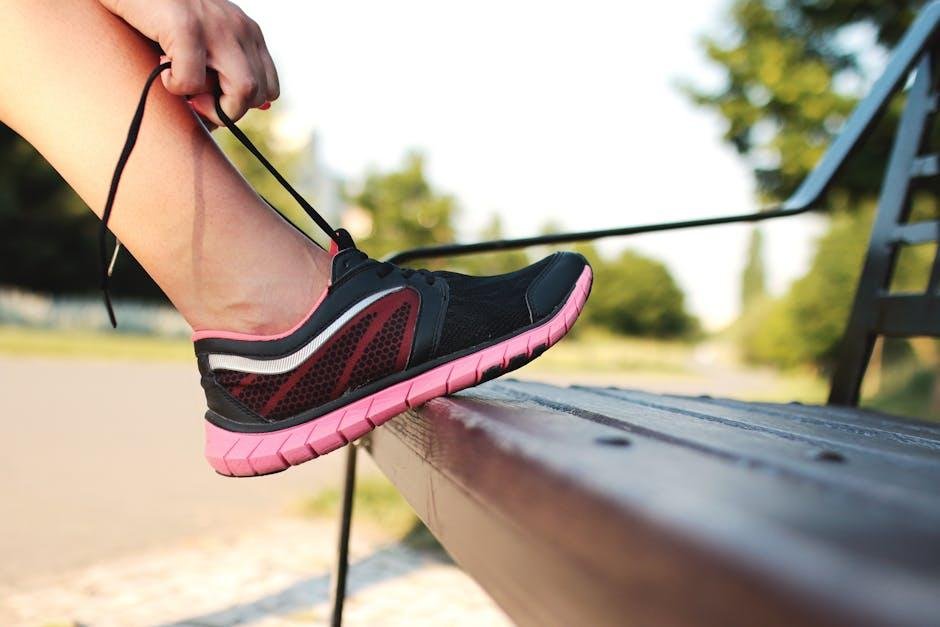
When selecting running shoes,fit is paramount. An ideal pair should feel snug yet allow enough room for your toes to wiggle freely. To evaluate fit, consider the following aspects:
- Length: Ensure you have about a thumb’s width of space between your longest toe and the end of the shoe.
- Width: Shoes should not pinch your foot; check if there’s enough lateral space for comfort.
- Arch Support: Identify your foot arch type—low, medium, or high—and choose shoes that complement it.
Equally important is comfort, which significantly affects your performance during runs. When trying on shoes, walk or jog in place to observe how the shoe behaves. Pay attention to potential pressure points or areas of discomfort. Note these key features that contribute to overall comfort:
- Cushioning: Look for shoes with adequate cushioning to absorb impact, especially on hard surfaces.
- Breathability: Choose materials that allow for airflow, helping to keep your feet cool and dry.
- Flexibility: The shoe should bend naturally with your foot to enhance movement without restriction.
Navigating Running Shoe Brands and Models
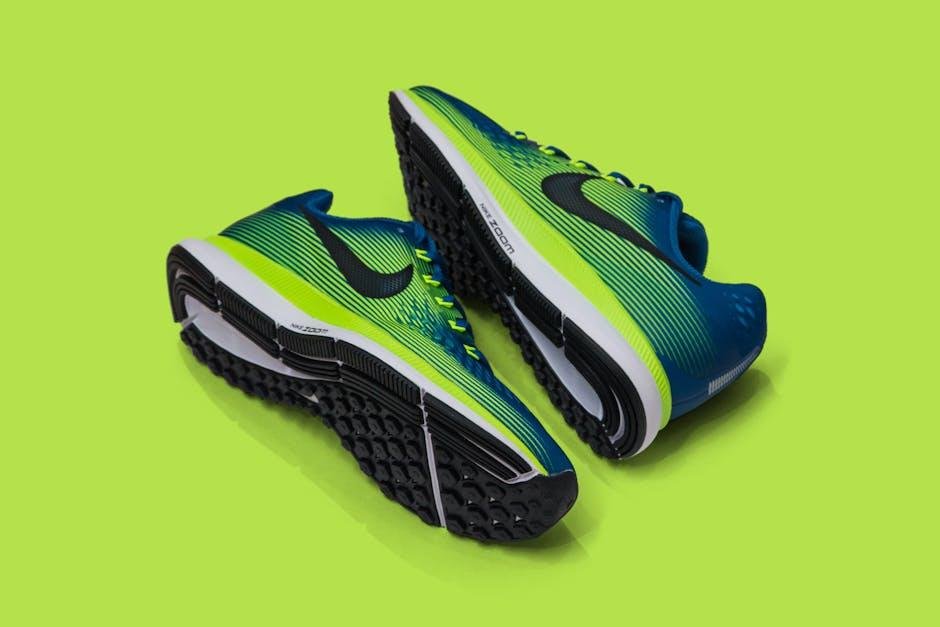
Choosing the perfect running shoes can feel overwhelming, given the vast array of brands and models available. To simplify your decision-making process, start by identifying the brands that focus on your specific needs, such as cushioning, stability, or lightweight performance. Top brands to consider include:
- ASICS – Renowned for their gel cushioning and durable designs.
- Nike – Offers a wide range of innovative technologies for varied running styles.
- Brooks – Known for their supportive and comfortable footwear suited for long distances.
- New Balance – Emphasizes a custom fit with diverse width options.
- Hoka One one – Features maximalist cushioning, ideal for reducing impact.
Once you narrow down the brands, explore specific models that cater to your running style and foot shape. Consider factors such as pronation type and terrain you’ll be running on. Below is a simple comparison of popular models to help with your selection:
| Brand | Model | Cushioning Level | Best For |
|---|---|---|---|
| ASICS | Gel-Kayano | High | Stability |
| Nike | Air Zoom Pegasus | Medium | Versatility |
| Brooks | Ghost | Medium | Daily Training |
| New Balance | Fresh Foam 1080 | High | Cushioned Runs |
| Hoka One one | Clifton | High | Long Distance |
In Summary
As you lace up and prepare to hit the pavement, remember that the right pair of running shoes is more than just a trendy accessory—it’s the foundation of a successful running journey. each step you take is punctuated by the comfort and support tailored to your unique foot shape and running style.
By considering factors like fit,cushioning,and your individual gait,you not only enhance your performance but also reduce the risk of injury,effectively transforming every run into an enjoyable experience.The path to finding your perfect running partner may take time and exploration, but it’s a journey worth embarking on.
So, whether you’re a seasoned marathoner or just starting out, take the insights from this guide to heart, and allow yourself the pleasure of discovering the shoes that set you free on the road ahead.here’s to countless miles of adventure, joy, and strides that feel just right. Happy running!